

For Skin That Reacts to Everything
Understanding reactive skin in babies and children — what's behind the flares, how to find your triggers, and how to build a routine that actually works.
What does "reactive skin" actually mean?
Reactive skin is skin that responds more intensely — and more often — to stimuli that wouldn't bother most people. In babies and children, it can look like redness, rashes, hives, flaking, swelling around contact points, or general sensitivity to temperature, products, or food.
It's different from a fixed allergy (which produces a consistent response to a specific allergen) in that reactive skin often has multiple triggers, and those triggers can change over time. A child might react to one laundry detergent but not another. They might flare in winter but be perfectly calm in summer. The patterns can be maddening — until you start tracking them.
Reactive skin is a general description of heightened skin sensitivity with multiple potential triggers.
Eczema (atopic dermatitis) is a specific inflammatory skin condition with characteristic patterns and strong genetic links.
Allergic contact dermatitis is a delayed immune response to a specific allergen (like nickel or certain preservatives).
These can overlap — and a child can have more than one. If you're unsure, see your GP or a paediatric dermatologist.
Why children's skin is more reactive
Children have approximately 2.5–3 times greater skin surface area relative to body weight compared to adults. This means substances applied to their skin have proportionally higher systemic effects — both beneficial and potentially irritating. A product that barely registers on adult skin can have a much more pronounced impact on a small child.
Their skin barrier is also still maturing — especially under age 3 — making it more permeable to both irritants and beneficial ingredients alike. This isn't a reason to fear all products; it's a reason to choose products carefully.
"The goal isn't to protect reactive skin from everything — it's to support the barrier so it can protect itself."
The skin absorption question
It's about proportion, not permeability
Children don't necessarily absorb more through their skin than adults do, gram for gram. But because they have a higher surface-area-to-body-weight ratio, the same amount of product covers a proportionally larger percentage of their body — which means whatever is in that product has proportionally more opportunity to have an effect.
This is why ingredient choice matters more for children's products than adult ones — and why Noody formulates without fragrances, hormone-disrupting preservatives, and harsh surfactants.
For reactive skin specifically, prioritise: free from synthetic fragrances (synthetic fragrance is the #1 contact sensitiser), preservative-minimal (opt for alternatives to parabens and formaldehyde-releasers), no SLS/SLES (strip the barrier and worsen reactivity), and skin-identical ingredients like ceramides, colloidal oatmeal, and glycerin that work with the skin rather than against it.
Tracking triggers: the parent's secret weapon
The most powerful thing you can do for reactive skin is keep a simple trigger diary. Reactive skin often has a delay between trigger and reaction — sometimes 24–48 hours — which makes patterns almost impossible to spot without writing things down.
Simple Trigger Diary Template
Track these five things daily when a reaction occurs (or in the days leading up to one):
The most common triggers for reactive skin
- Product ingredients: Fragrance is the number one culprit, followed by preservatives (methylisothiazolinone, formaldehyde-releasers), SLS, and lanolin in some children.
- Laundry products: Fabric softeners and fragranced detergents have prolonged skin contact through clothing and bedding. Use fragrance-free alternatives.
- Heat and sweat: Overheating — especially during sleep or physical activity — can trigger flares. Dress in breathable, natural fibres.
- Environmental allergens: Dust mites, pollen, pet dander, and mould can all trigger skin reactions, not just respiratory symptoms.
- Physical friction: Rough fabrics, seams, elastic, and tags. Worth checking clothing choices during flare periods.
- Stress and illness: The gut-skin axis is real — immune system stress (from a cold or emotional upset) often triggers skin flares within 24–48 hours.
Food is often the first thing parents suspect, but in reality only about 5–10% of eczema and reactive skin in children is primarily driven by food allergies. That said, common culprits worth exploring (with your GP's guidance) include cow's milk protein, eggs, wheat, soy, and nuts. An elimination diet should only be done under medical supervision — especially in infants.
Managing reactive skin flares
Mild
Some redness, dryness, or sensitivity. Stick to routine, use gentle products, avoid known triggers.
Moderate
Clear redness, itch, possibly some swelling. Use targeted treatment products, minimise baths, keep skin cool.
Severe
Widespread, weeping, infected, or significantly distressing. See your GP — this may need prescription treatment.
The SOS flare protocol
-
Strip back to basics
Remove all non-essential products. During a flare, use only your most trusted, minimal-ingredient products. Less is more.
-
Cool and calm the skin
Cool (not cold) water to reduce heat and itch. Pat dry — never rub. Keep the room cool and use light cotton clothing.
-
Apply targeted treatment
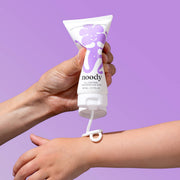
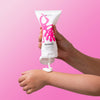
A thick, fragrance-free balm like Calm Balm creates a physical barrier, reduces transepidermal water loss, and helps calm inflamed skin. Apply generously to affected areas.
-
Prevent the itch-scratch cycle
Scratch causes damage, which causes itch, which causes more scratch. Keep nails short, use cotton scratch mitts for young babies, and reapply balm frequently to maintain comfort.
-
Document and identify
Write down everything that happened in the 48 hours before the flare. The pattern often becomes clear over 3-4 flares.
Products built for skin that reacts to everything
No fragrance. No SLS. No parabens. No nasty preservatives. Just the ingredients reactive skin actually needs.


"I have twin girls and one of them has pretty reactive skin. Calm Balm is perfect for soothing her skin in the most gentle way. We use it as part of our bedtime routine and it works so well. We wouldn't use anything else."
"My son had eczema on his ankle that was so angry. It took over a year of trying all different products — including steroids — and even then, once we stopped the steroids it just came right back. Noody is the only thing that's actually worked long term."
"We've tried so many brands and techniques to help with our 2-year-old's eczema and rash-prone skin. This is probably the most effective one we've found. We had a very stubborn itchy rash and this helped overnight to take out the anger."
"After months of using steroid cream, Calm Balm has been much more effective at helping with my daughter's eczema. We use it 1-2 times a day. Can't recommend it enough — I tell every parent I meet."
For skin that reacts to everything
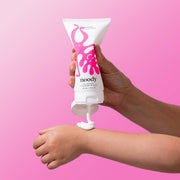
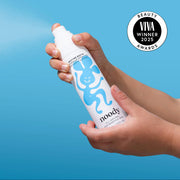
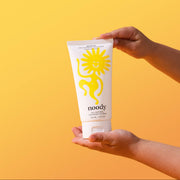
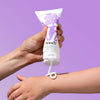
The Skin Support Bundle is designed for exactly this — free from synthetic fragrances, SLS-free, and formulated with sensitive, reactive skin in mind. Start the routine that calms things down.

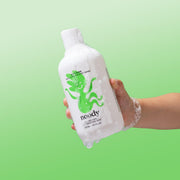
Soft Suds (gentle botanical wash) + Lotion Potion (daily moisturiser) + Calm Balm (targeted relief). The complete routine for reactive, sensitive, or eczema-prone skin — everything you need, nothing that triggers.
Or start with Calm Balm — the one parents reach for first:
Our Promise
On your first Noody order, choose one product to try for 30 days. If it isn’t right for your little one, we’ll refund that product in full — no return required for the opened claimed product.
When you're ready, we're here.
Individual results may vary. Noody products are designed to support and nourish the skin — not to treat or cure medical conditions. Always consult your child's healthcare provider for personalised medical advice.
