

The Complete Eczema Guide for Parents
Everything you need to care for your child's sensitive skin — from daily routines to flare-up first aid, with trusted resources from NZ and around the world.
What's inside this guide
- 1Our Story (And Probably Yours Too)
- 2Understanding Sensitive Skin
- 3The Daily Skincare Routine
- 4Nature's Best Ingredients
- 5Bath Time Done Right
- 6Targeted Care for Flare-Ups
- 7The Sleep Connection
- 8Wet Wrap Therapy Guide
- 9Environment & Lifestyle
- 10When to Seek Help
- 11Books, Apps & Resources
- 12Quick Reference Guide
Our Story (And Probably Yours Too)
If you're reading this at 2am while your little one scratches in their sleep, we see you. We've been exactly where you are.
When our kids were diagnosed with severe eczema, we tried everything — the endless creams, the conflicting advice, the heartbreak of watching them struggle. We spent years researching, testing, and working with specialists to understand what actually helps sensitive skin.
What we discovered changed everything: gentle, consistent, natural care works. Not harsh chemicals. Not complicated routines. Just the right ingredients, applied with love, day after day.
That's why we created Noody — New Zealand's first prebiotic skincare range designed specifically for children's delicate skin. This guide shares everything we've learned along the way, plus the best resources we've found from experts around the world.
— Ashleigh & Scott, Noody founders (and fellow tired parents)
Understanding Sensitive Skin
The more you understand about eczema, the better equipped you'll be to manage it.
The Skin Barrier Story
Think of healthy skin like a brick wall. The skin cells are the bricks, and between them is "mortar" made of natural oils that keeps moisture in and irritants out.
In children with eczema or sensitive skin, that mortar has gaps. Water escapes (causing dryness), and irritants sneak in (triggering inflammation and that terrible itch).
Your child's skin barrier can be supported and strengthened with the right care. That's where natural, gentle moisturising comes in — you're essentially rebuilding that protective mortar, one application at a time.
What Causes Eczema?
Genetics
If parents have eczema, asthma, or allergies, children are more likely to develop it.
Skin Barrier
Many people with eczema have a variation in the filaggrin gene, affecting moisture retention.
Microbiome
The balance of bacteria on the skin plays a key role. Prebiotics help support healthy bacteria.
Environment
Heat, humidity, dust mites, irritants, and stress can all trigger or worsen symptoms.
Why Natural Matters
Children's skin is fundamentally different from adult skin — thinner, more absorbent, and still developing its protective functions. What you put on their skin matters deeply.
Every Noody product is built on prebiotics, New Zealand botanicals, and absolutely no harsh chemicals, sulfates, or artificial fragrances.
Explore our rangeThe Daily Skincare Routine
A simple, consistent routine is the foundation of healthy skin. Here's what a great day looks like.
Moisturise First Thing
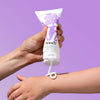
Apply a nourishing moisturiser to your child's entire body before they face the day.
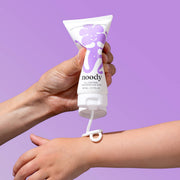
Use: Lotion PotionGentle Cleansing
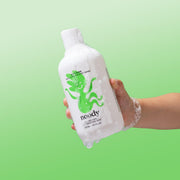
Lukewarm, 5–10 minutes max. Use a soap-free cleanser. Pat dry — never rub.
Use: Soft SudsThe 3-Minute Window
Apply moisturiser within 3 minutes of bathing while skin is still slightly damp.
Use: Lotion Potion + Calm Balm on patchesSet Up for Sleep Success
Generous moisturiser, then magnesium spray. Keep bedroom cool (16–18°C), breathable cotton pyjamas.
Use: Lotion Potion + Bedtime BestieThere's no single "best" moisturiser — the best one is the one you'll use consistently. Thicker balms are more hydrating for very dry skin; lighter lotions work for everyday maintenance.
Most parents don't use nearly enough. For moderate to severe eczema, you should be using around 250–500g per week. If a tube lasts months, it's not enough. Be generous.
Nature's Best Ingredients
Not all "natural" ingredients are created equal. These have centuries of traditional use and modern scientific backing.
Colloidal Oatmeal
Clinically proven to soothe inflammation and strengthen the skin barrier
Calendula
Traditional anti-inflammatory herb gentle enough for newborns
Prebiotics
Feed good bacteria on skin, supporting natural defences
Mānuka Honey
New Zealand's liquid gold — naturally antimicrobial and deeply nourishing
Zinc Oxide
Supports skin barrier repair and provides antimicrobial protection
Magnesium
Absorbed through skin — helps relax muscles and promotes restful sleep
What We Never Use
Synthetic Fragrances
The leading cause of contact dermatitis in sensitive skin.
Sulfates (SLS/SLES)
Harsh cleansing agents that strip natural oils and damage the skin barrier.
Parabens & Phthalates
Preservatives linked to skin irritation and health concerns.
Petroleum Products
Can clog pores and prevent skin from breathing naturally.
Every ingredient in every Noody product is listed on our website with what it does and why we chose it.
View ingredient glossaryBath Time Done Right
Bath time can be a double-edged sword. Done right, it's one of the most effective parts of your daily routine.
The Golden Rules of Bath Time
- Lukewarm water only — Hot water irritates eczema. Test with your elbow.
- Keep it short — 5–10 minutes maximum. Longer baths dry out the skin.
- Skip the bubbles — Even "gentle" ones strip natural oils. Use a soap-free wash instead.
- Pat, don't rub — Rubbing with a towel is scratching in disguise.
- Moisturise within 3 minutes — The magic window when skin absorbs moisture best.
Bleach Baths for Infection Prevention
If recommended by your doctor, dilute bleach baths can help reduce bacteria on the skin. Typically half a cup of regular household bleach in a full bathtub, 2–3 times per week.
Bleach baths should only be used on medical advice. Never use at higher concentrations, and never on broken skin or open wounds.
What About Swimming?
- Apply a thick layer of balm before swimming to create a protective barrier
- Rinse thoroughly with fresh water immediately after
- Apply moisturiser generously afterward (within that 3-minute window)
- If flares persist, try shorter swim sessions
Cradle Cap Care
Cradle cap is incredibly common in babies. Massage a gentle oil into the scalp to soften scales, then use a soft brush to gently lift them. Follow with a gentle wash. Be patient — it may take several sessions.
Soap-free, fragrance-free wash with colloidal oatmeal and calendula. Soothing while it cleans. Safe for face, body, and hair.
Shop Soft SudsTargeted Care for Flare-Ups
Flares are a normal part of eczema. What matters is knowing how to respond.
Understanding Flares
Even with perfect care, your child's skin will have good days and bad days. Don't drive yourself mad trying to find a trigger for every flare — often, there simply isn't one.
✓ Do This
- Apply a thick, soothing balm to affected areas
- Increase moisturising frequency
- Use cool compresses for immediate relief
- Keep nails short to minimise scratch damage
- Dress in loose, breathable cotton
✕ Avoid This
- Hot baths or showers
- Scratching (try pressing instead)
- Tight or synthetic clothing
- Fragranced products of any kind
- Skipping moisturiser "because it's too bad"
Breaking the Itch-Scratch Cycle
Scratching activates reward pathways in the brain — but every scratch damages the skin barrier further. Try: press and hold instead of scratching, cold compresses, distraction, or cotton gloves at night.
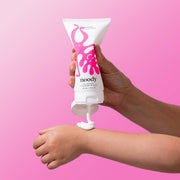
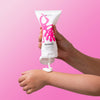
Thick, protective balm with prebiotics, colloidal oatmeal, and zinc. Calms inflammation and supports healing.
Shop Calm BalmSnap photos of flares and note what happened that day — foods, activities, products, stress. Over time, patterns might emerge. Or you'll confirm there's no consistent trigger, which is also valuable.
The Sleep Connection
If your nights are a blur of scratching and crying, you're not alone. Poor sleep is one of the most devastating aspects of childhood eczema — for the child and the whole family.
Why Night-Time Is Harder
Heat
Bodies warm up under blankets, which intensifies the itch.
No Distractions
During the day, activities occupy the mind. At night, there's nothing but the itch.
Natural Rhythms
The body's anti-inflammatory hormones are at their lowest during the night.
Complete Bedtime Routine
- Cool bath with gentle cleanser (Soft Suds)
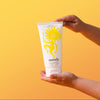
- Pat dry and apply moisturiser everywhere (Lotion Potion)
- Apply balm to any irritated areas (Calm Balm)
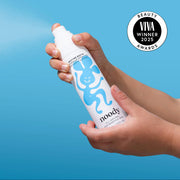
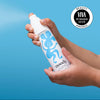
- Spray magnesium on feet and legs (Bedtime Bestie)
- Dress in breathable 100% cotton pyjamas
- Keep bedroom cool — 16–18°C is ideal
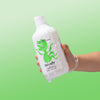
Magnesium chloride absorbed through the skin helps relax restless bodies and promotes deeper sleep. A few sprays on legs and feet before bed can change everything.
Shop Bedtime BestieWet Wrap Therapy Guide
A powerful technique for severe flares — research shows up to 71% symptom reduction.
Always check with your healthcare provider before starting wet wrap therapy. Use only for severe flares, for a few days at a time.
What You'll Need
- Two sets of cotton pyjamas or bandages (one for wet layer, one for dry)
- Large bucket or bath with warm water
- Moisturiser or prescribed ointment
- Warm blanket or sleeping bag
Step-by-Step Instructions
Bathe — Soak in lukewarm water for 5–10 minutes. Pat dry gently.
Apply — Apply moisturiser or prescribed ointment generously to all affected areas.
Wet layer — Soak cotton pyjamas in warm water, wring until just damp. Dress your child in the damp layer.
Dry layer — Add dry pyjamas over the top. One size larger helps with layering.
Keep warm — Cover with a blanket. Keep wraps on for 2+ hours or overnight.
Repeat — Use for 2–3 consecutive days during flares, as directed by your doctor.
Tips for Success with Children
- Make it fun — Call them "superhero pyjamas" and put on a special movie during wrap time
- Start small — Even 1–2 hours can make a difference; work up to overnight
- Use cotton clothing — Much easier than bandages for little ones
- Cut socks for arms — Adult tube socks with the toe cut off make great arm wraps
- Never cover the face — Facial treatment should only be done by medical professionals
Environment & Lifestyle
Small changes in your home can make a big difference to your child's skin.
Clothing Choices
✓ Best Fabrics
- 100% cotton (soft, breathable)
- Bamboo or TENCEL (moisture-wicking)
- Silk (smooth, won't catch)
- Super-fine merino (for some children)
✕ Avoid When Possible
- Regular wool (too scratchy)
- Synthetic fabrics that trap heat
- Rough seams or scratchy tags
- Tight-fitting clothing
Turn clothes inside-out if seams irritate. Cut out tags. Wash new clothes before wearing to remove finishing chemicals.
Laundry Matters
- Use fragrance-free, dye-free detergent
- Run an extra rinse cycle to remove residue
- Skip fabric softeners and dryer sheets — they leave irritating residue
Temperature & Humidity
Keep rooms cool — 16–18°C is ideal. Overheating is a major itch trigger. A humidifier helps in winter when central heating dries everything out.
Dust Mite Management
- Wash bedding weekly in hot water (60°C if possible)
- Consider allergen-proof mattress and pillow covers
- Remove stuffed animals from the bed (or wash weekly)
- Vacuum regularly with a HEPA filter
The Food Question
Research shows that only about 5% of childhood eczema is significantly affected by food allergies. Before eliminating entire food groups, get the skincare basics right first.
Stress genuinely makes eczema worse. For little ones, consistent routines, calm environments, and plenty of reassurance help their skin as well as their emotions.
When to Seek Help
We believe in natural care — and we also believe in being realistic. Sometimes, you need additional support. That's completely okay.
Signs It's Time to See a Doctor
- Signs of infection: Yellow crusting, weeping, spreading redness, fever, or pus
- Not improving: No change after 2–3 weeks of consistent care
- Severe sleep disruption: Affecting the whole family's health
- Widespread coverage: Eczema affecting more than 10% of the body
- Impact on quality of life: Child is distressed, missing activities, or struggling emotionally
Building Your Support Team
- GP / Family doctor — Your first port of call
- Dermatologist — For persistent or severe cases
- Allergist — If true food allergies are suspected
- Other parents — Sometimes the best advice comes from those who've been there
The Hopeful Part
Most children grow out of eczema. About half are significantly better by age 6, and most of the rest improve by their teenage years. The gentle care you're providing now is supporting your child's skin as it develops.
Books, Apps & Resources
The best resources from around the world to support your eczema journey.
📚 Recommended Books for Parents
A Practical Guide to Treating Eczema in Children
Written by a dermatologist and father of three. Practical, evidence-based, and realistic.
The Eczema Diet
Evidence-based nutritional approach by an Australian nutritionist with personal eczema experience.
The Eczema Solution
Based on a program developed by dermatologists and psychologists at Chelsea and Westminster Hospital.
Ending the Eczema Epidemic
A holistic paediatrician's approach to transforming your child's skin from within.
📚 Children's Books About Eczema
The Itchy-saurus
A dino with an itch that can't be scratched. Ages 3–6.
I Have Eczema
Emma's lighthearted day coping with eczema. Ages 2–5.
An Itch for Agnes
First day of school with eczema. Addresses bullying. Ages 5–8.
Patches
A superhero boy conquering life with eczema. Ages 5–7.
📱 Apps for Tracking & Management
EczemaWise
Track symptoms, triggers, and treatments. Creates reports for doctor visits.
Eczema Tracker
Track flare intensity and medicines. Includes weather, pollen, and mold data automatically.
EczemaLess
AI assessment of severity from photos. Tracks triggers, routines, and environmental factors.
My Eczema Tracker (POEM)
Uses the validated POEM score from clinical settings. Great for tracking to share with doctors.
🎧 Podcasts Worth Your Time
Eczema Breakthroughs
Interviews with leading scientists, hosted by Global Parents for Eczema Research (GPER).
Eczema Out Loud
From the National Eczema Association. Chats with community, experts, and news on treatments.
Eczema Kids
Top 2.5% podcast for busy parents. Diet solutions, natural remedies, and healing systems. Hosted by Andra McHugh.
More than "Just an Itch"
National Eczema Society (UK) podcast series. Personal stories and expert insights.
🌏 Support Organisations
🥝 New Zealand
- Eczema Association of New ZealandSupport, education, and resources for Kiwi families
- Allergy New ZealandEczema information and allergy support
- KidsHealth NZ Eczema HubTrusted NZ health info with videos and action plans
🦘 Australia
- ASCIA (Australasian Society)Clinical guidelines and management plans
- Nip Allergies in the BubNational Allergy Council prevention resources
🌍 International
- National Eczema Association (USA)Largest eczema patient organisation worldwide
- National Eczema Society (UK)50+ years supporting families with eczema
- Global Parents for Eczema ResearchParent-led research advocacy organisation
📞 Helplines
📄 Downloadable Action Plans
KidsHealth NZ Eczema Action Plan
Printable plan to take to your doctor. English and Samoan.
Download freeASCIA Eczema Action Plan
Australian clinical action plan with fillable fields for your provider.
Download freeQuick Reference Guide
Everything at a glance when you need it fast — save this to your phone.
☀️ Daily Must-Dos
- Moisturise morning and night
- Gentle bath with soap-free wash
- Apply within 3 minutes of bathing
- Target irritated areas with balm
- Keep bedroom cool (16–18°C)
🧴 The Noody Routine
- Cleanse: Soft Suds
- Moisturise: Lotion Potion
- Target: Calm Balm
- Sleep: Bedtime Bestie
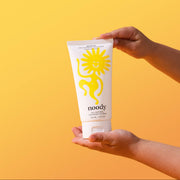
- Protect: Sun Balm (outdoors)
🚨 Flare First Aid
- Cool compress for immediate relief
- Apply thick balm generously
- Increase moisturising frequency
- Keep nails short; use cotton gloves at night
- See doctor if signs of infection
🚫 Never Use
- Bubble baths or foaming products
- Fragranced soaps or lotions
- Hot water for baths
- Fabric softeners or dryer sheets
- SLS, parabens, or synthetic fragrance
You've Got This
If you've made it this far, you're already doing the work — learning, researching, advocating for your child. That matters more than you know.
On the hard days, remember: consistent care is more important than perfect care. We've got your back.
Important note: This guide provides educational information based on current research and personal experience. Noody products support daily skincare but are not intended to diagnose, treat, cure, or prevent any medical condition. Always consult your child's healthcare provider for personalised medical advice.