


Cradle Cap 101: What It Is & How to Gently Treat It
Those flaky, yellowish patches on your baby's scalp are more common than you think — and gentler to treat than you might expect.
What is cradle cap, really?
Cradle cap — known medically as infantile seborrhoeic dermatitis — is a common, harmless scalp condition that affects many newborns and young babies. It appears as greasy, yellowish or brown flaky patches or scales on your baby's scalp. It can also sometimes appear on the forehead, eyebrows, around the nose, or in skin folds.
Despite how it looks, cradle cap is not:
- A sign of poor hygiene
- Contagious (it can't spread to other babies or people)
- Caused by allergies
- Painful or itchy for most babies
The most widely accepted explanation is that maternal hormones passed to the baby before birth stimulate the sebaceous (oil) glands in the scalp. This overproduction of sebum causes skin cells to stick together and build up as scales rather than shedding normally. A naturally occurring yeast called Malassezia may also play a role. The good news: hormones settle, and so does the cradle cap.
What it looks like
Cradle cap typically appears as thick, yellowish or brownish scales or flakes on the scalp. The affected skin underneath may look reddish. Unlike eczema, it's usually not itchy and doesn't upset your baby. It can look quite dramatic at its worst — crusty and widespread — but it's entirely manageable with gentle, consistent care.
Most cradle cap doesn't need medical treatment. But see your GP if: the scales are spreading rapidly beyond the scalp, the skin underneath looks infected (red, hot, oozing), your baby seems distressed, or the condition isn't improving after 6-8 weeks of consistent gentle treatment.
When does cradle cap go away?
The honest answer: it varies. Some babies clear within a few weeks with gentle treatment. Others have it for months. Here's a typical timeline:
-
🌱
First few weeks of life
Cradle cap often appears in the first two to six weeks. It may start as mild scaliness, then thicken and yellow over a week or two.
-
🌿
1-3 months
With gentle treatment, most cases will begin clearing. Without treatment, it often stays but doesn't cause harm.
-
🌳
6-12 months
The vast majority of cradle cap resolves naturally by 12 months as maternal hormones fully settle. Some babies clear faster.
-
✓
Beyond 12 months
If cradle cap persists past the first birthday, it's worth seeing your GP or dermatologist. Ongoing seborrhoeic dermatitis in older children is less common and may need different treatment.
"The key to clearing cradle cap isn't force — it's consistency. Gentle oil, a soft brush, and patience work far better than picking or scrubbing."
How to clear cradle cap, step by step
This is the approach recommended by most paediatric dermatologists — and the one Noody's routine is built around.
-
Apply oil to soften the scales
Gently massage a small amount of natural oil (coconut oil, olive oil, or a gentle balm) onto the scalp and leave it to soften the scales for 15-30 minutes. This loosens the flakes without forcing them.
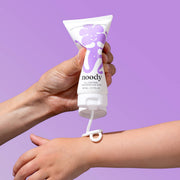
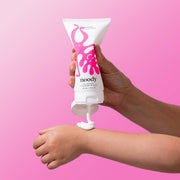
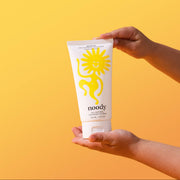
Our Calm Balm works beautifully here — its gentle formulation softens scales while nourishing the scalp skin underneath.
Use: Calm Balm -
Use a soft cradle cap brush
With a very soft baby brush or a gentle cradle cap brush, work in small, gentle circular motions to loosen the softened scales. Don't scrub — you're coaxing them off, not forcing them.
Never pick at stubborn patches with your fingers. It can damage the delicate scalp skin and introduce bacteria.
-
Wash with a gentle cleanser
Bath your baby normally using a gentle, pH-balanced baby wash. Avoid adult shampoos or products with harsh surfactants (SLS), which can irritate the scalp and strip the natural oils that help regulate it.
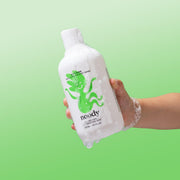
Soft Suds is formulated without SLS and is gentle enough for the scalp — clean without stripping.
Use: Soft Suds -
Gently rinse and pat dry
Rinse the scalp thoroughly and pat dry — don't rub. It's fine if not all flakes come off. The goal is gradual clearing, not perfection in one session.
-
Moisturise the scalp (optional)
If the skin beneath the scales looks dry or irritated after the scales have cleared in an area, a small amount of Calm Balm can help soothe and protect the healing skin.
Use: Calm Balm -
Repeat 2-3 times per week
Consistency is more effective than intensity. A gentle routine done regularly — rather than one aggressive session — produces better, faster results and is much kinder to your baby's scalp.
Avoid adult anti-dandruff shampoos (including those with salicylic acid or coal tar) unless specifically recommended by your doctor. These are too harsh for infant scalps. Also avoid picking or forcefully removing flakes — the goal is gentle loosening, not removal by force.
Products designed for the gentle approach
Every product in our Cradle Cap Bundle is chosen specifically for the scalp treatment method above — gentle enough for newborn skin, effective enough to actually make a difference.


"My 4 month old used to suffer quite badly from cradle cap and eczema on his face. 3 pumps of Soft Suds in his bath at night changed everything. His skin is completely different now — I only wish I'd found it sooner."
"I have been using steroid cream on my 3-year-old to keep things under control. Noody cleared it up in 2 days. The Calm Balm is genuinely magic — I've started recommending it to every parent I know."
Cradle cap FAQs
-
Can I pick the flakes off?Try to resist the urge. Picking can damage the delicate scalp skin and potentially introduce bacteria that cause infection. The oil-soften-brush method is far more effective and much safer.
-
Will it spread to other parts of the body?Seborrhoeic dermatitis can appear in other areas — particularly eyebrows, the crease behind the ears, and skin folds — but this is different from it "spreading." Each area can be treated with the same gentle approach.
-
Is cradle cap the same as eczema?No. They're different conditions, though they can coexist. Cradle cap (seborrhoeic dermatitis) is caused by excess sebum and yeast, appears greasy and yellowish, and is usually not itchy. Eczema appears dry, red, and typically causes significant itch and discomfort.
-
What if it doesn't go away?Most cases resolve by 12 months. If it persists beyond that, or is particularly extensive or uncomfortable for your baby, see your GP. Prescription antifungal shampoos or mild topical steroids are sometimes needed for persistent cases.
-
Does washing hair more often help?Gentle, regular washing (2-3 times per week) helps. But over-washing or washing with harsh products can actually stimulate more sebum production and worsen the condition. Gentle and consistent beats aggressive.
Everything you need to gently clear cradle cap
We put together the Cradle Cap Bundle so you don't have to figure out what to buy. Everything mapped to the step-by-step method — bundled to save you money.

Includes Calm Balm (for softening scales) + Soft Suds (for gentle washing) — the two products that power the step-by-step cradle cap routine. Formulated without harsh surfactants, fragrances, or ingredients that can aggravate sensitive scalp skin.
Or start with just one:

Our Promise
On your first Noody order, choose one product to try for 30 days. If it isn’t right for your little one, we’ll refund that product in full — no return required for the opened claimed product.
When you're ready, we're here.
Individual results may vary. Noody products are designed to support and nourish the skin — not to treat or cure medical conditions. Always consult your child's healthcare provider for personalised medical advice.